
AI Agents & Workflow Automation
Agents that reach into the systems you already run.
An agent that can only talk is a chatbot. We build agents whose tools are your real systems — ticketing, CRM, ERP, billing, commerce — with the permissions, traces and approval boundaries that make them safe to run unattended.
The problem
The agent loop is the easy part.
Plan, call a tool, observe, repeat — that pattern is in every framework and it is not where projects fail. They fail on the tools. The agent needs to read from a CRM with a permissions model, write to an ERP that has opinions about a valid record, and operate against an API designed for a nightly batch job rather than for something making decisions in a loop.
Then come the questions nobody asks in the demo. What happens when a call fails halfway through a multi-step task. How do you stop a retry repeating an action that already succeeded. Who approves the irreversible steps. What did it do last Tuesday, and can you prove it.
What we do
Specific work, and the judgement to know which you need.
Agents that act inside your stack
Tools built onto your real systems — ticketing, CRM, ERP, billing, commerce platforms and internal APIs — rather than a model pointed at a raw endpoint.
Workflow automation
Multi-step processes that currently move through a person copying between screens: intake, triage, extraction, routing, reconciliation, reporting.
Human-in-the-loop controls
An explicit line between what the agent may do alone and what needs approval. Reversible actions run unattended; irreversible ones queue for a person.
Tool design and safety
Idempotency so a retry cannot double-charge, credentials scoped to the task, timeouts and circuit breakers, and structured refusal when the agent is out of its depth.
Observability
A complete trace per run — the request, the retrieved context, every tool call and response, and the decision at each step. Without it you cannot debug an agent, let alone audit one.
Agent evaluation
Task-level suites that run the whole trajectory against known scenarios, including the failure paths, because failure compounds across steps.
Custom CRM and ERP
Where no packaged system fits the workflow, we build the platform the agents then operate inside — multi-party workflows across organisations, deadline and certification tracking, document revision control, and project costing with live operating margin.
How we work
Assess, build, operate.
Assess
We start with your workflow, your data and your constraints — not with a model choice. Two to four weeks. You leave with an architecture, a scope, a cost and latency envelope, and an honest answer on whether the thing is worth building at all.
Build
A small senior team works inside your process, not alongside it. Environments, CI/CD, evaluations and security are set up in the first week rather than bolted on before launch.
Operate
We stay on after go-live — scaling, new features, model and dependency updates, incident response. Most of our engagements are measured in years.
Proof
Work we have shipped.
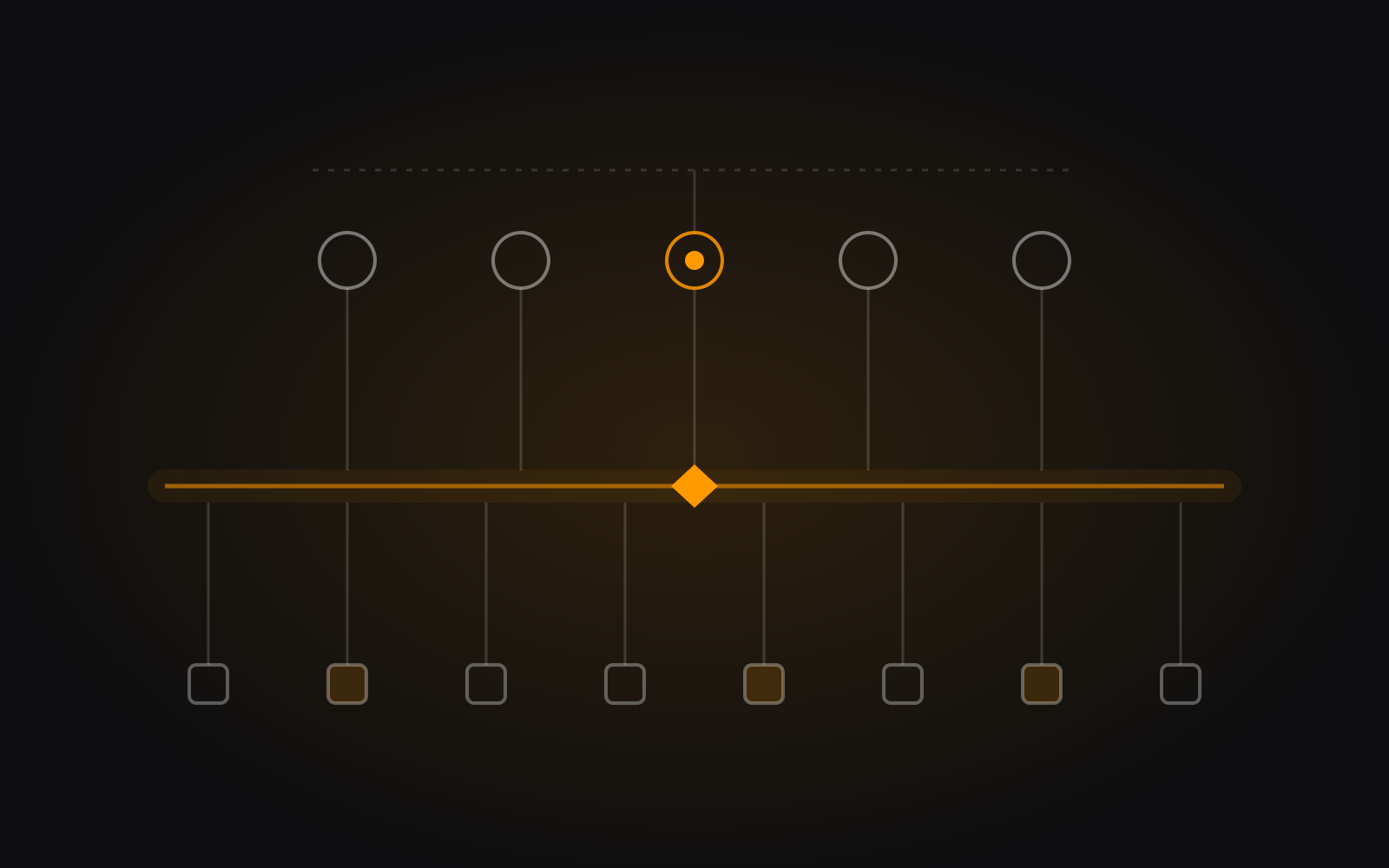
AI Agent Operating System for Multi-Store E-commerce
A connected agent platform bringing sales, advertising, customer conversations, creative assets and operational workflows across multiple Shopify stores and countries into one system.
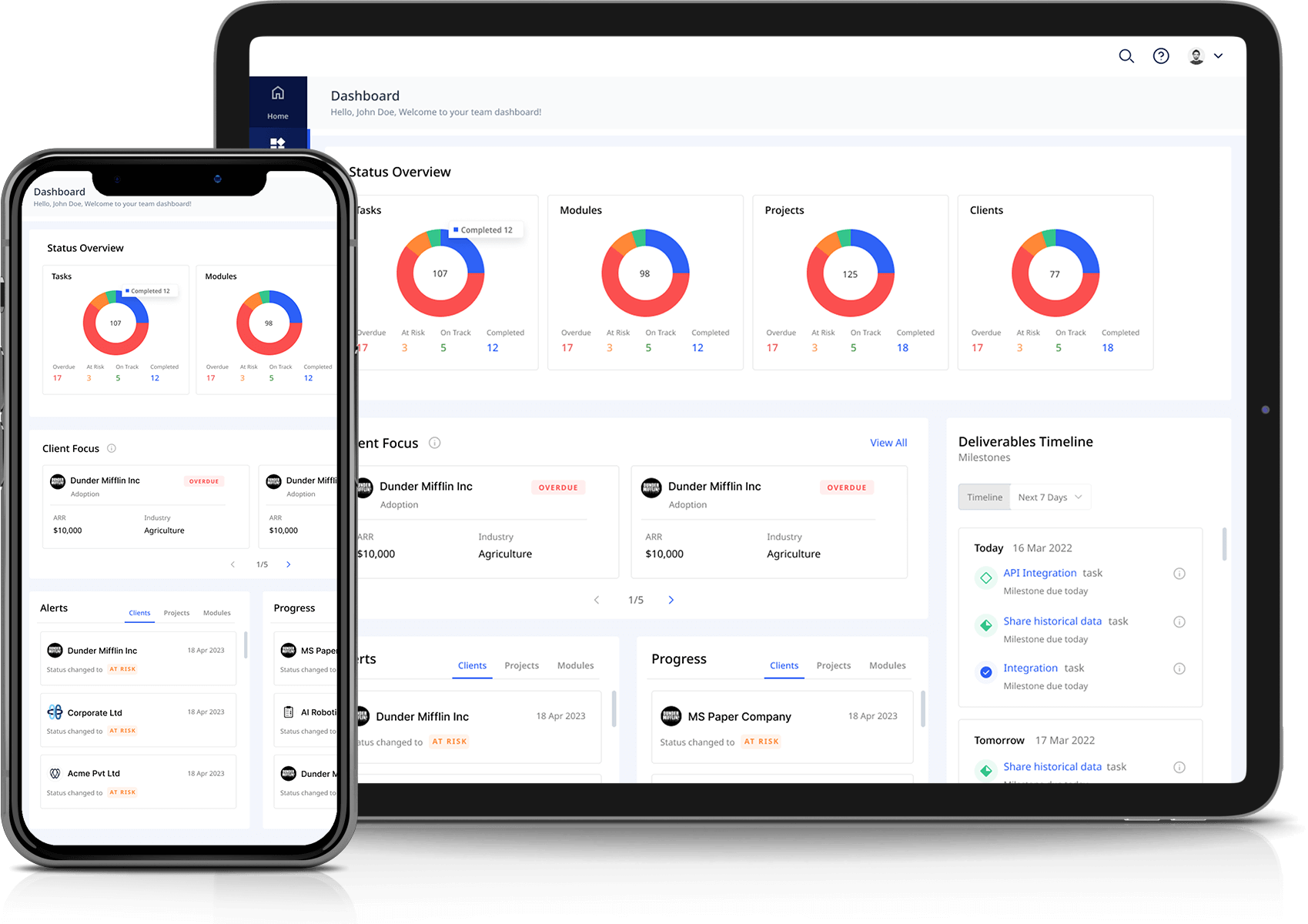
Customer Onboarding and Prioritization Platform
MVP to production platform for enterprise SaaS onboarding: cross-functional collaboration, use-case management, RAG status reporting and JIRA integration.
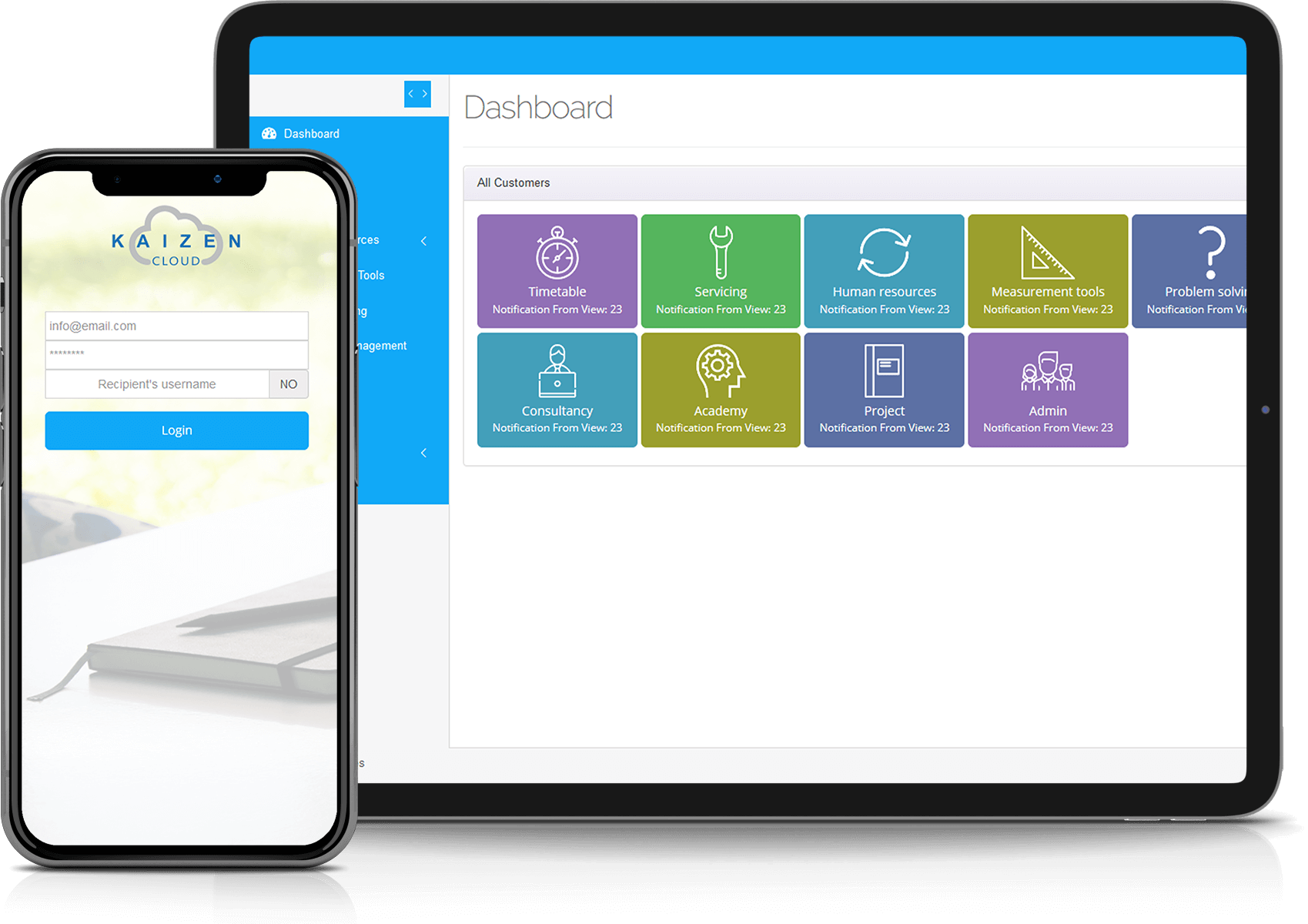
Business Process Management ERP
A cloud ERP built for small and medium firms in mechanics, construction, waste management and maintenance — in English and Italian.
In their words
“It was a pleasure working with IRA Softwares on some projects where we had to complete the projects efficiently with good quality. Over the years, Nittile has built a team of very professional and talented developers serving international clients — strongly recommended!”Founder & CEO — CogniSaaS
Questions
What clients ask us first.
What is the difference between an AI agent and a chatbot?
A chatbot answers. An agent acts. An agent is given a goal, decides which tools to call, calls them, reads the result and decides what to do next — so it can update a record, open a ticket or send a report rather than only describing one. That capability is also why an agent needs permission boundaries a chatbot does not.
Can an agent work with the systems we already use?
That is the normal case. We have built and integrated custom CRM and ERP systems since 2013, and the same work applies here. Where a system has a usable API we build against it directly. Where it does not, we build a service layer that gives the agent a safe, narrow interface.
How do you stop an agent doing something expensive or irreversible?
We draw an explicit line during the assessment between actions the agent may take alone and actions that require approval. Irreversible steps queue for a person. Every tool is idempotent, so a retry after a timeout cannot repeat an action that already succeeded, and credentials are scoped to the task rather than to the system.
How do we know what the agent actually did?
Every run produces a full trace: the request, the retrieved context, each tool call with its arguments and response, and the decision at each step. Traces are queryable and retained. For regulated work this is what makes the agent auditable at all.
Should we use an agent framework or build it ourselves?
It depends on how much of the value sits in the loop versus in the tools. When the loop is standard and the integrations are the hard part — which is most business workflows — a framework saves little and costs you control over retries, traces and error handling. We use frameworks where they fit and build directly where they do not.
How do you decide which workflow to automate first?
High volume, mechanical rather than judgement-heavy, systems with reachable APIs, and a clear definition of a correct outcome. That last one matters most: if nobody can say what a good result looks like, the agent cannot be evaluated and the project has no way to end.
Get in touch
Which workflow is eating your team’s week?
We will tell you whether an agent is the right answer, or whether something simpler would do the job — and we would rather say the second thing early than late.
Prefer email? sales@irasoftwares.com