
AI Strategy & Readiness
Know what to build before you build it.
AI readiness assessments, architecture reviews, modernisation roadmaps and technical due diligence — delivered by the people who would build the thing, so the recommendation has to survive being implemented.
The problem
Advice that never has to be implemented is cheap.
Most AI strategy work is produced by people who have never shipped an AI system. The output looks familiar — a maturity model, a prioritised list of use cases, a roadmap with quarters on it. What it does not contain is whether your data is in a state a retrieval system can use, whether the latency budget your workflow implies is achievable at a price you will pay, and whether the vendor you are considering solves the problem you actually have.
We write assessments knowing we might have to deliver them. That makes the estimates more conservative, the risks more specific, and the "do not build this" conclusion far more likely to appear when it is the right answer.
What we do
Specific work, and the judgement to know which you need.
AI readiness assessment
What state your data is actually in, which workflows have a defensible case, what your infrastructure and security allow, and where your team sits today. Two to four weeks.
Use case prioritisation
Scoring candidates on value, feasibility, data availability and how clearly a correct answer can be defined. That last criterion removes more candidates than the other three combined.
Model and vendor selection
Which model families suit your tasks, hosted versus self-hosted, where the build-buy line falls, and what each option costs at your volume. We have no vendor relationships to protect.
Architecture review
An honest read on what you have, what will break first, and what it would take to fix — written to be shown to the team that built it.
Technical due diligence
Pre-investment assessment of a codebase, infrastructure, engineering practice and key-person risk, reported in a form an investment committee can use.
AI governance and evaluation design
How you will know the system works after anyone leaves: evaluation suites, monitoring, acceptable failure behaviour, and the data-use questions most organisations postpone.
How we work
Assess, build, operate.
Assess
We start with your workflow, your data and your constraints — not with a model choice. Two to four weeks. You leave with an architecture, a scope, a cost and latency envelope, and an honest answer on whether the thing is worth building at all.
Build
A small senior team works inside your process, not alongside it. Environments, CI/CD, evaluations and security are set up in the first week rather than bolted on before launch.
Operate
We stay on after go-live — scaling, new features, model and dependency updates, incident response. Most of our engagements are measured in years.
Proof
Work we have shipped.
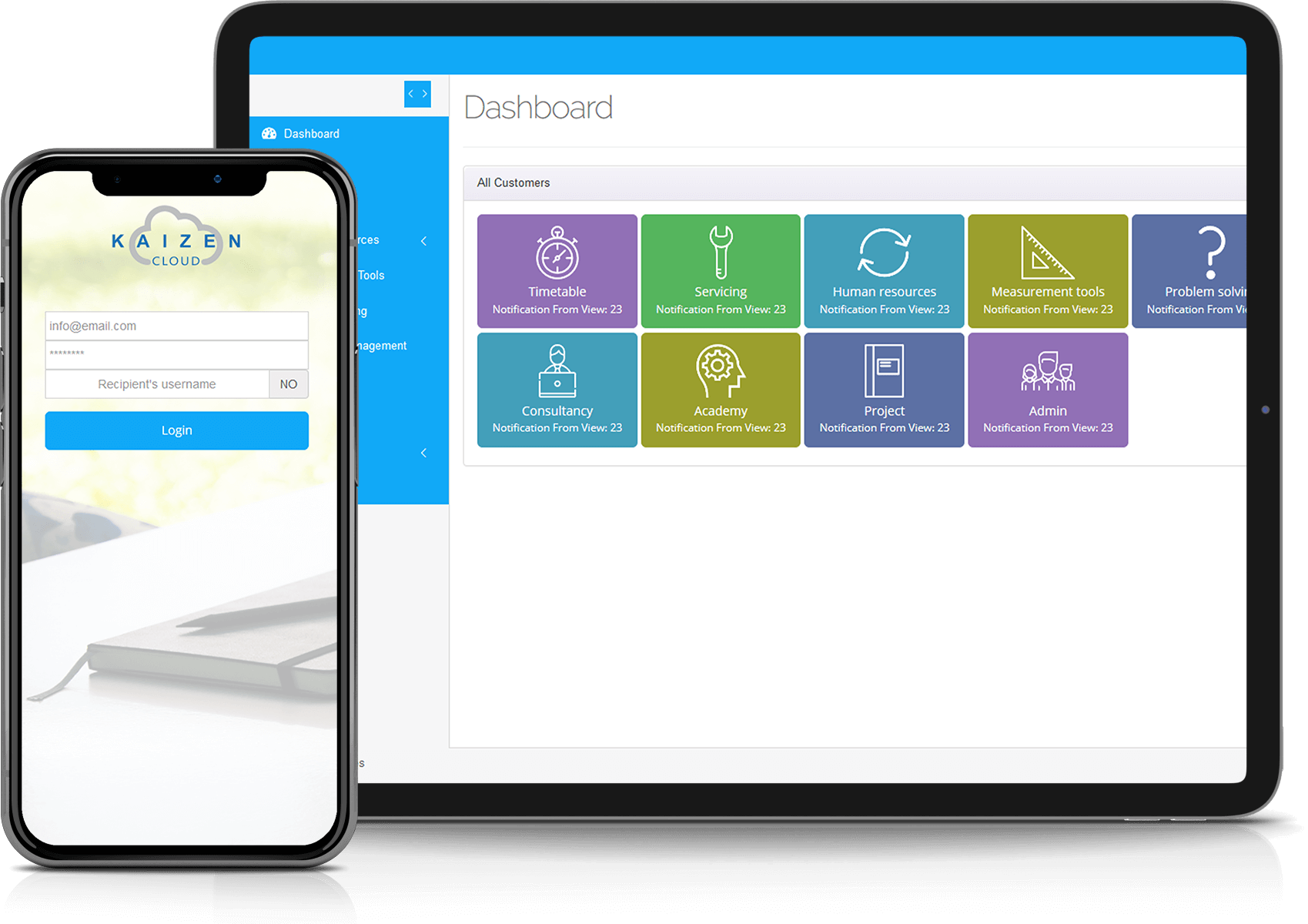
Business Process Management ERP
A cloud ERP built for small and medium firms in mechanics, construction, waste management and maintenance — in English and Italian.
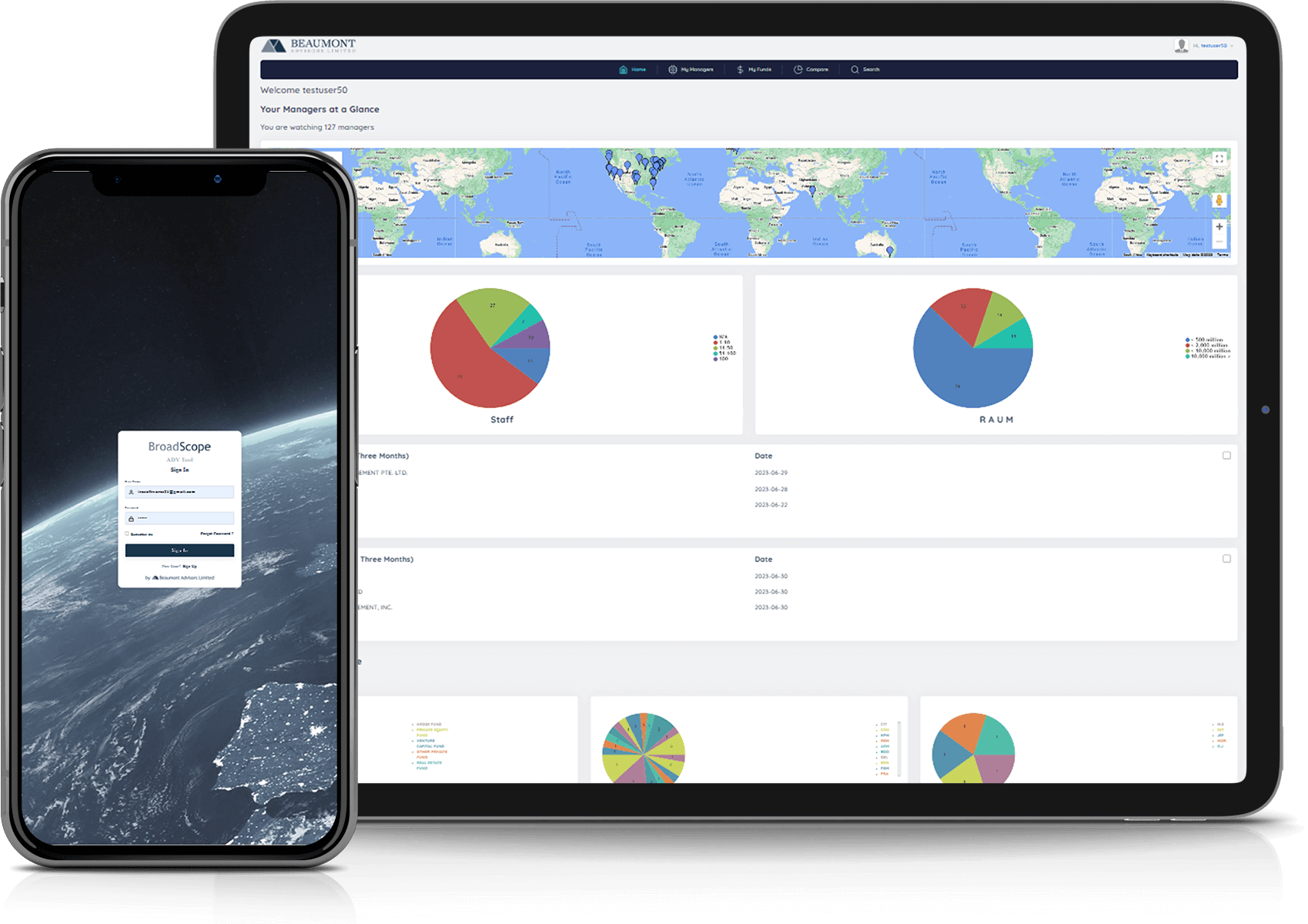
Operational Due Diligence Platform
Turns unstructured ADV filings into searchable, comparable data so institutional investors can assess operational risk properly.
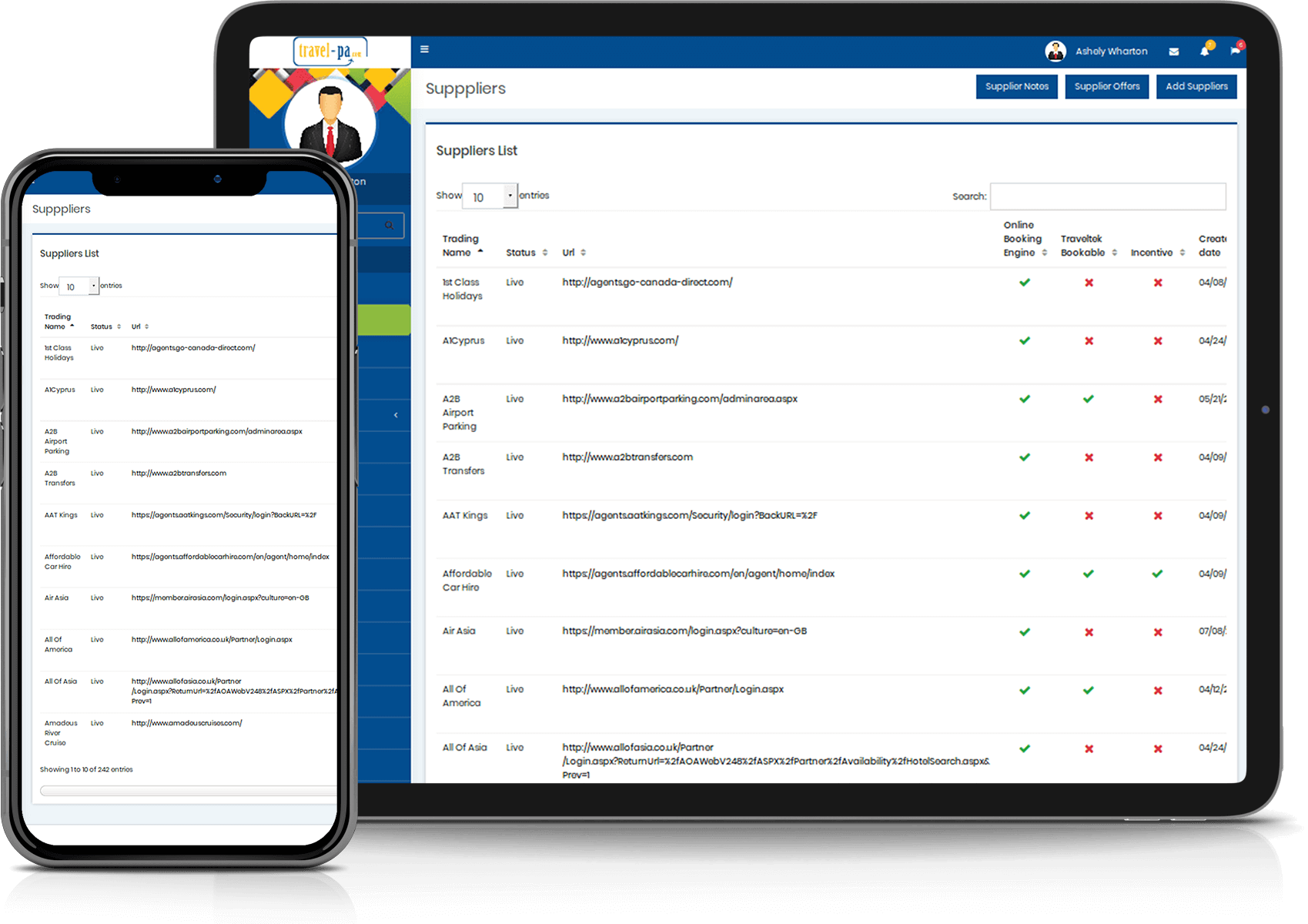
Travel Booking CRM
Custom CRM for a UK travel agency running customers, homeworker agents, suppliers, bookings and marketing on one platform.
In their words
“Absolutely excellent. I am extremely happy with the work provided. They have gone above and beyond. They maintained budget, was dead on time and have staff who are very proficient at what they do. Will definitely re-hire.”Digital Transformation Expert — Scarsys
Questions
What clients ask us first.
What does an AI readiness assessment actually cover?
Four things. The state of your data, judged by opening it rather than reading a schema. The workflows where AI has a defensible case, scored on value, feasibility and whether a correct answer can be defined. Your infrastructure and security position. And your team, since a system nobody internally can operate is not finished. Two to four weeks, ending in a written recommendation with costs attached.
Will you tell us not to build something?
Regularly. The most common reasons are that nobody can define what a correct output looks like, that the data needs months of work first, or that a deterministic system would do the job better and cheaper. We would rather lose a build engagement than deliver one we did not believe in.
You build as well as advise. Isn’t that a conflict?
It is a real tension and we will not pretend otherwise. We handle it by scoping the assessment as a standalone engagement with its own fee and its own written deliverable, which is yours to act on with any supplier. The offsetting benefit is advice from a team that has deployed a 72-billion-parameter model and shipped HIPAA-bound healthcare systems, rather than one that has read about both.
Can you review an architecture built by someone else?
Yes, and it is a substantial part of this work. We read the code, the infrastructure and the deployment practice, then report what will not survive your next twelve months of load or roadmap.
Do you do technical due diligence for investors?
Yes. We assess a target’s codebase, infrastructure, engineering practice and key-person risk. Where an AI claim is part of the investment case, we can tell you whether the system behind it is what the pitch says it is.
How much does an assessment cost and how long does it take?
Two to four weeks, depending on the number of systems and stakeholders. We price it as a fixed-fee engagement rather than hourly, so the cost is known before you start, and we quote after a first conversation about scope.
Get in touch
Not sure whether to build it?
That is the right question to ask before the budget is committed. An assessment takes two to four weeks and sometimes ends with us telling you not to.
Prefer email? sales@irasoftwares.com