
AI-Native SaaS Product Engineering
From MVP to multi-tenant, with AI in the architecture.
Adding an AI feature to a single-tenant demo is a weekend. Adding it to a multi-tenant SaaS product raises four questions at once: whose data did the model see, who pays for the tokens, what does the plan allow, and what happens when one customer swamps everyone else.
The problem
AI breaks the economics of SaaS.
Traditional SaaS has a marginal cost close to zero, which is why flat-rate pricing works. An AI feature has a real marginal cost per use, varying by a factor of fifty depending on which model handles the request and how long the context is. Flat-rate pricing on a variable cost is a margin problem that grows exactly as fast as your product succeeds.
Then there is isolation. In a multi-tenant product, retrieval is the most dangerous surface you have. One misconfigured filter and a model answers Customer A’s question using Customer B’s documents. That is not a bug report, it is a breach notification.
What we do
Specific work, and the judgement to know which you need.
Multi-tenant architecture
Tenant isolation designed at the data layer and carried through retrieval, caching and logs. Every embedding, index and cache key is tenant-scoped.
AI features that fit the plan structure
Which tenants get which model, which features belong to which tier, and what happens at the limit — degrade, queue or refuse. Each is a product decision.
Token metering and usage billing
Per-tenant capture at request level, so you see unit economics per customer rather than one aggregate bill at month end. Then the billing integration and the admin view.
Onboarding and implementation
The workflow that turns a signed contract into an active account — including the data import an AI feature needs to have any value on day one.
Admin and support surfaces
Tenant management, impersonation for support, feature flags, audit logs and usage dashboards. The internal tooling your team lives in.
MVP to scale
We build the first version to be replaced in the right places and kept in the others, then do the scaling ourselves rather than handing it over.
Payments and transaction integrity
Payment gateway integration and reconciliation, multi-currency and alternative payment rails, subscription and one-off models, and order and fulfilment workflows. One client running thousands of dollars of daily transactions through a platform we built described the outcome as never having lost a cent.
How we work
Assess, build, operate.
Assess
We start with your workflow, your data and your constraints — not with a model choice. Two to four weeks. You leave with an architecture, a scope, a cost and latency envelope, and an honest answer on whether the thing is worth building at all.
Build
A small senior team works inside your process, not alongside it. Environments, CI/CD, evaluations and security are set up in the first week rather than bolted on before launch.
Operate
We stay on after go-live — scaling, new features, model and dependency updates, incident response. Most of our engagements are measured in years.
Proof
Work we have shipped.
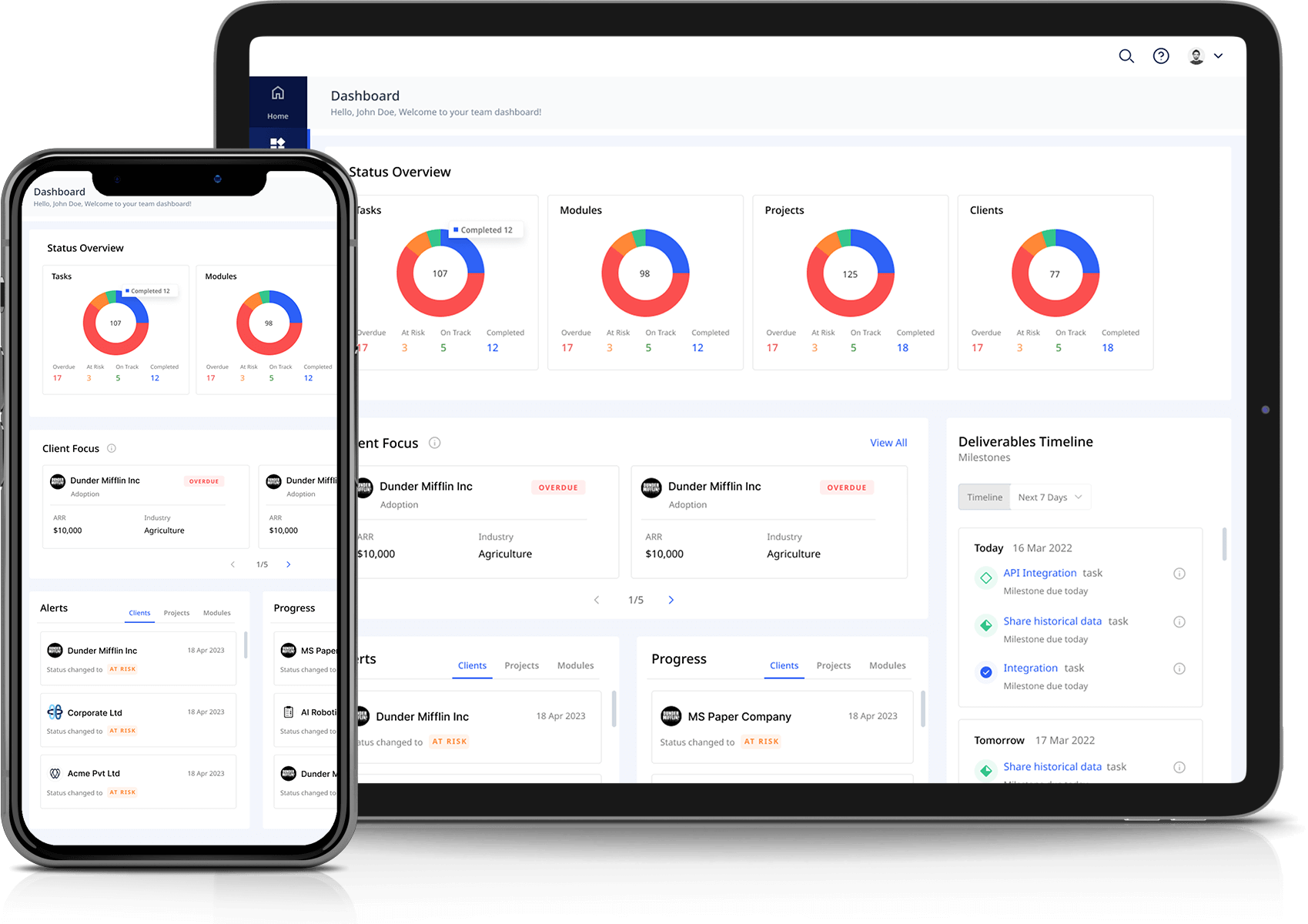
Customer Onboarding and Prioritization Platform
MVP to production platform for enterprise SaaS onboarding: cross-functional collaboration, use-case management, RAG status reporting and JIRA integration.
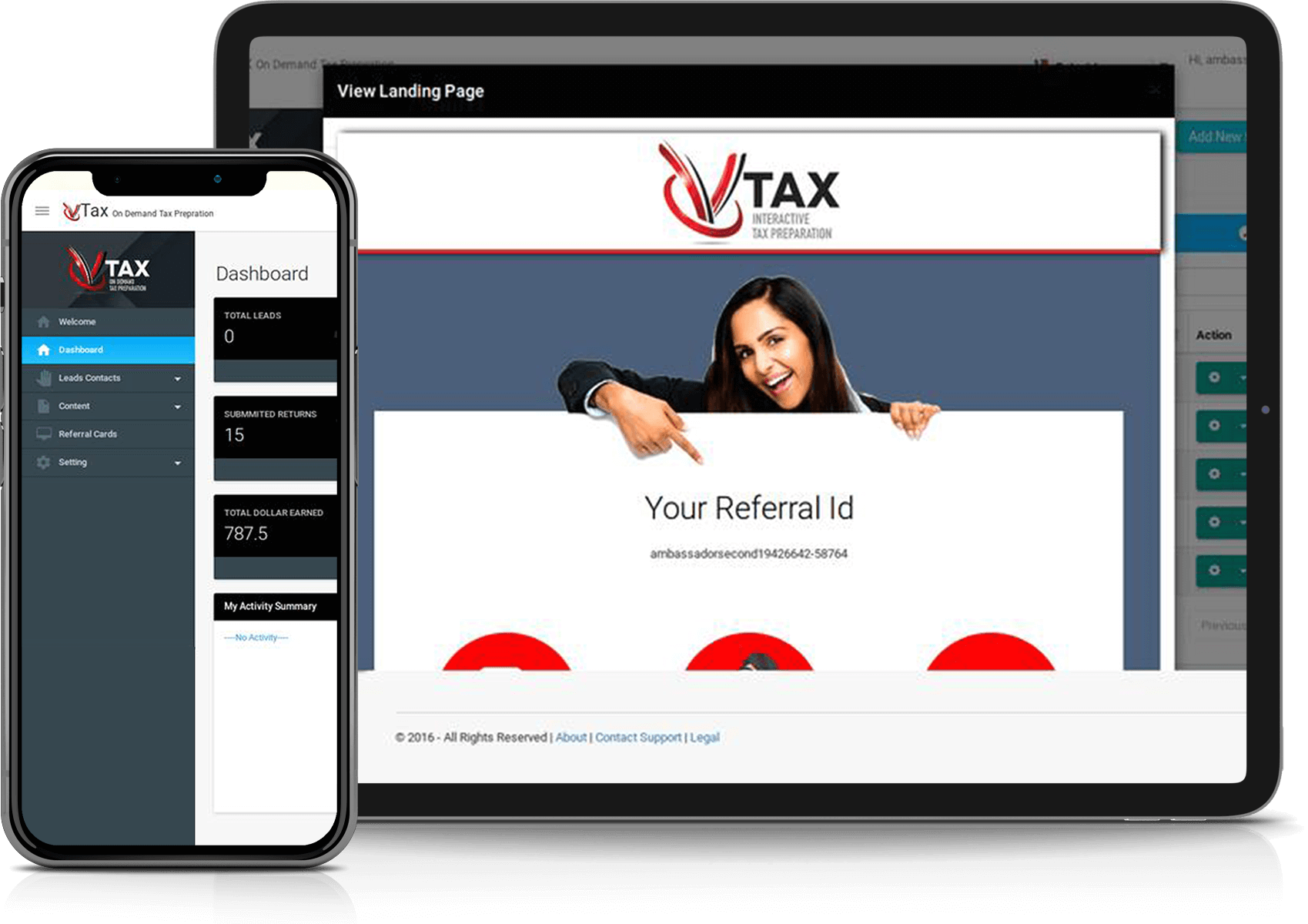
Online Tax Preparation and Filing
A multi-role tax management platform and taxpayer mobile app connecting filers to a national network of CPAs and enrolled agents.
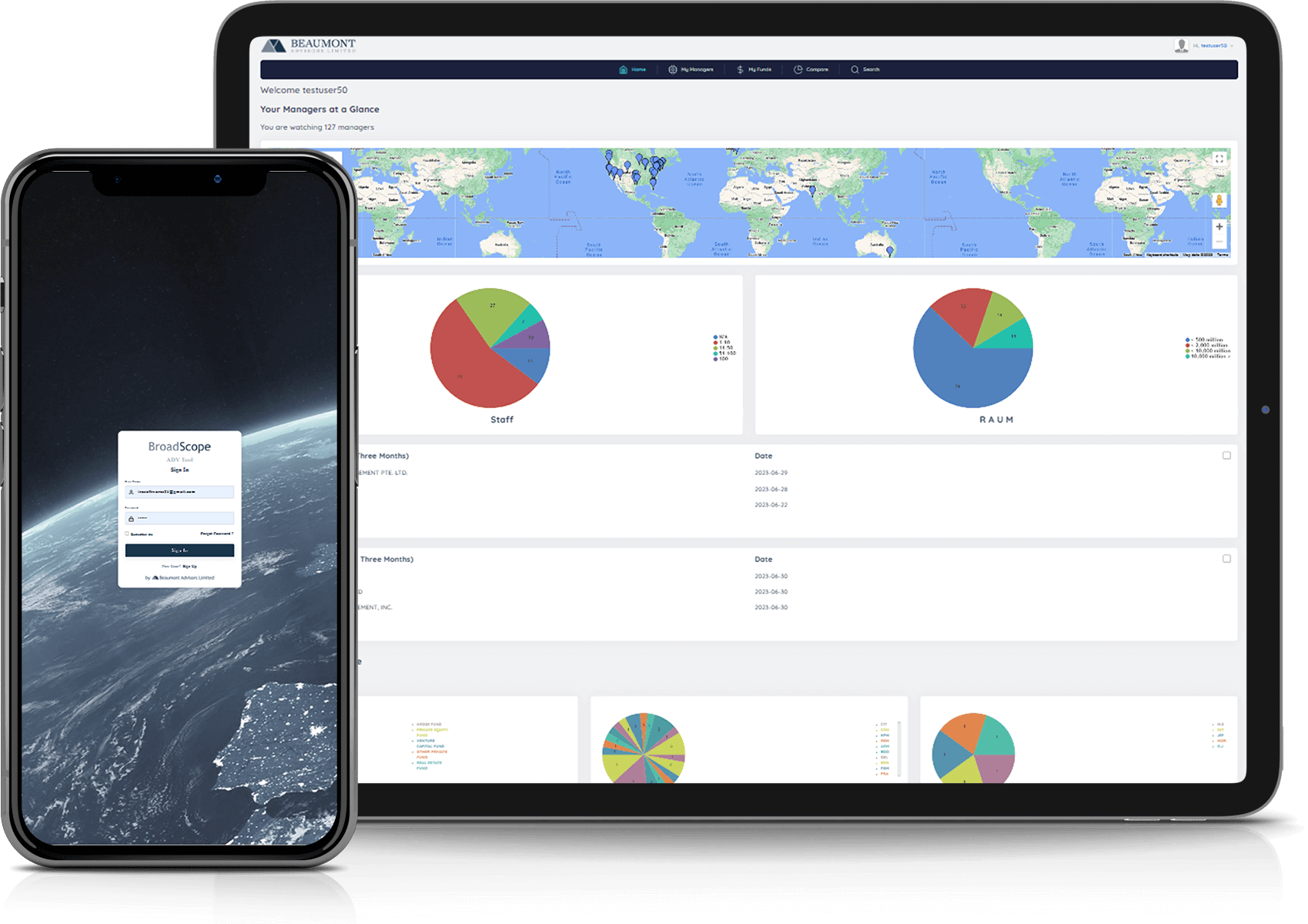
Operational Due Diligence Platform
Turns unstructured ADV filings into searchable, comparable data so institutional investors can assess operational risk properly.
In their words
“IRA Softwares has a brilliant programmer who can almost program anything! He developed a system for me which left me taken aback. I recommend IRA Softwares without any hesitation.”Creative Director — Conquest Capital Ltd
Questions
What clients ask us first.
How do you stop one tenant’s data reaching another tenant’s AI responses?
By scoping isolation at the data layer and carrying it through every derived structure — embeddings, indexes, caches and logs. A tenant filter applied at query time is not enough, because a cache key or a shared index can leak around it. We design this before the first retrieval feature, because retrofitting isolation into a live multi-tenant product is one of the most expensive migrations there is.
How should we price an AI feature?
That is a business decision with a technical prerequisite: you cannot price what you cannot measure. We build per-tenant, per-request usage capture from the start. Most products we work on land on a hybrid — a flat platform fee plus metered AI usage above an included allowance — because it protects the margin without making the entry price unpredictable.
Can you take over a product someone else built?
Yes. Several of our longest engagements started that way. We begin with an architecture review so both sides know what we are inheriting before anyone commits to a roadmap.
What does MVP to multi-tenant actually involve?
A tenancy model in the data layer, authentication and authorisation with roles that reflect real organisations, billing, onboarding, an admin surface, per-tenant configuration, and observability that can answer questions about one customer. With AI features it also means tenant-scoped retrieval and per-tenant cost visibility. The order depends on who your first ten customers are.
Do we need AI in our SaaS product at all?
Often less than you think. An AI feature earns its place when it removes a step a user currently does manually, not when it adds a chat box to a page. During the assessment we look for the workflow step with the most manual effort and the clearest definition of a correct answer — and we are comfortable concluding you should build something else.
How big is the team you put on a project?
Small and senior, and deliberately so — you get the people who wrote the code, not an account layer in front of them.
Get in touch
Building a SaaS product, or scaling one?
Tell us where it is now and where it needs to get to. We will tell you what has to change architecturally to survive the next order of magnitude.
Prefer email? sales@irasoftwares.com