
AI-Enabled Web & Real-Time Applications
Complex web systems that hold up in production.
A video consultation carrying live readings from a medical device is not a web page. It is a real-time system with a hardware dependency, a compliance boundary and a user who cannot be asked to refresh. We build those — then put AI on top without putting the real-time path at risk.
The problem
Real-time and AI pull in opposite directions.
The AI-native shops cannot build the real-time side. WebRTC, media servers, NAT traversal, device integration and the C++ or C# work connected hardware demands are outside what a team assembled around models has ever done. The traditional development shops can build the real-time side but treat AI as a plugin.
A model call takes hundreds of milliseconds to seconds. A video session budget is measured in tens of milliseconds. Put one in the path of the other naively and you degrade the thing that was working. The engineering is in deciding what runs in the live path, what runs beside it, and what runs after the session ends.
What we do
Specific work, and the judgement to know which you need.
Real-time communication
WebRTC video and audio, peer-to-peer and server-mediated, one-to-one and one-to-many. No-download, no-signup joins — the person who most needs a remote appointment is often the one least able to install an app — plus media servers, recording, scheduling, and the fallback behaviour that decides whether it works on a bad connection.
Connected hardware
Communication layers between a web application and physical instruments, including medical devices, down to SDK-level work in C++ and C#.
AI on top of real time
Live transcription beside the session, summarisation and extraction after it, triage and routing into a structured record — deliberately placed outside the latency-critical path.
Compliance-bound builds
HIPAA and equivalent regimes treated as a design input from the first sprint, not a review before launch.
Multi-role platforms
Systems where five kinds of user see different slices of the same data with different authority over it.
VOIP integration
Inbound and outbound click-to-dial, call scripts and guided workflows attached to the record, queueing and call management, automatic activity logging against the patient or customer, and billing tied to recorded call activity. For teams whose job is calling people, the gap between the phone and the system of record is most of the lost day.
How we work
Assess, build, operate.
Assess
We start with your workflow, your data and your constraints — not with a model choice. Two to four weeks. You leave with an architecture, a scope, a cost and latency envelope, and an honest answer on whether the thing is worth building at all.
Build
A small senior team works inside your process, not alongside it. Environments, CI/CD, evaluations and security are set up in the first week rather than bolted on before launch.
Operate
We stay on after go-live — scaling, new features, model and dependency updates, incident response. Most of our engagements are measured in years.
Proof
Work we have shipped.
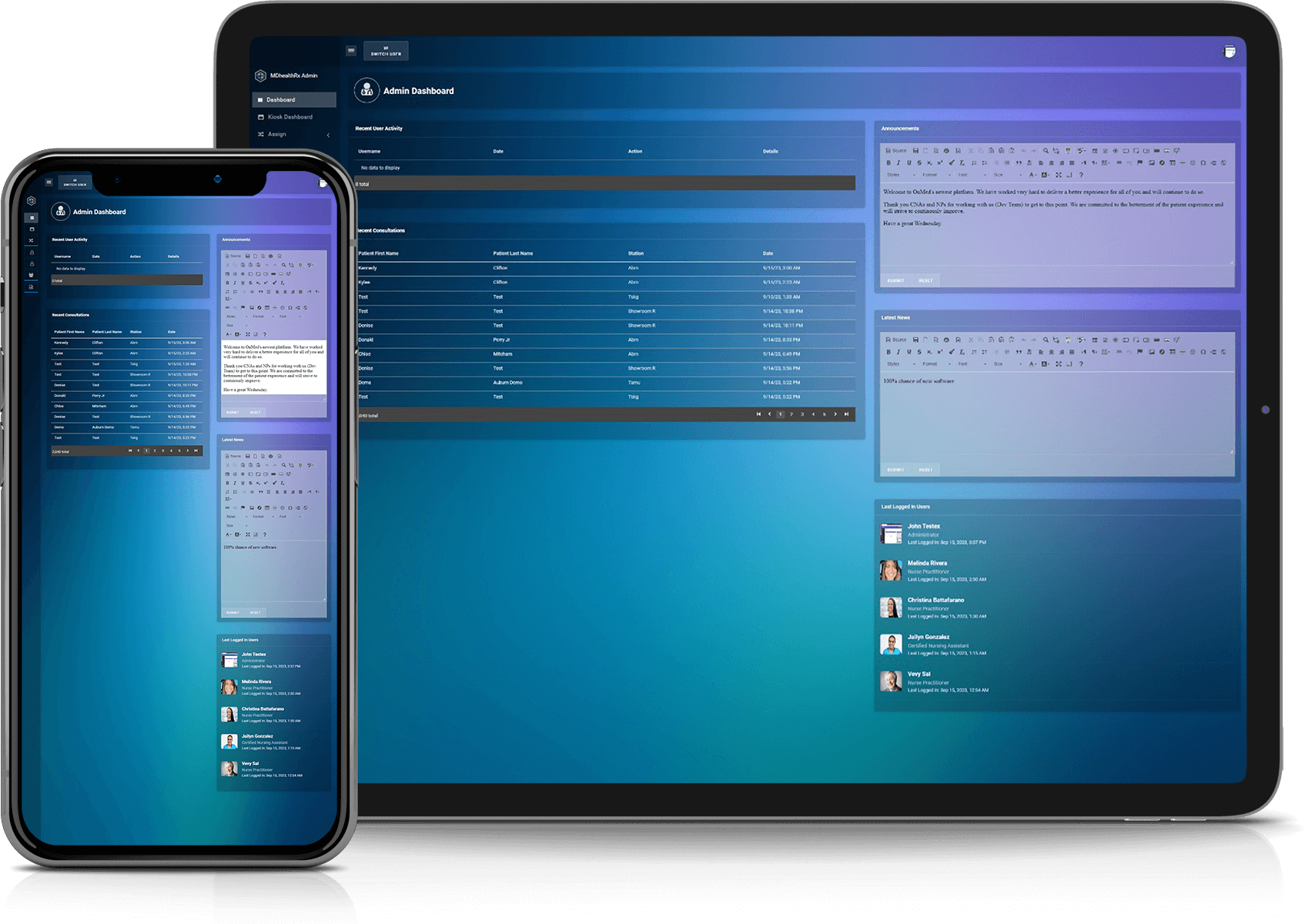
Instant Virtual Primary Care
A virtual primary care station combining WebRTC consultations with remotely connected medical devices, on a full CI/CD pipeline.
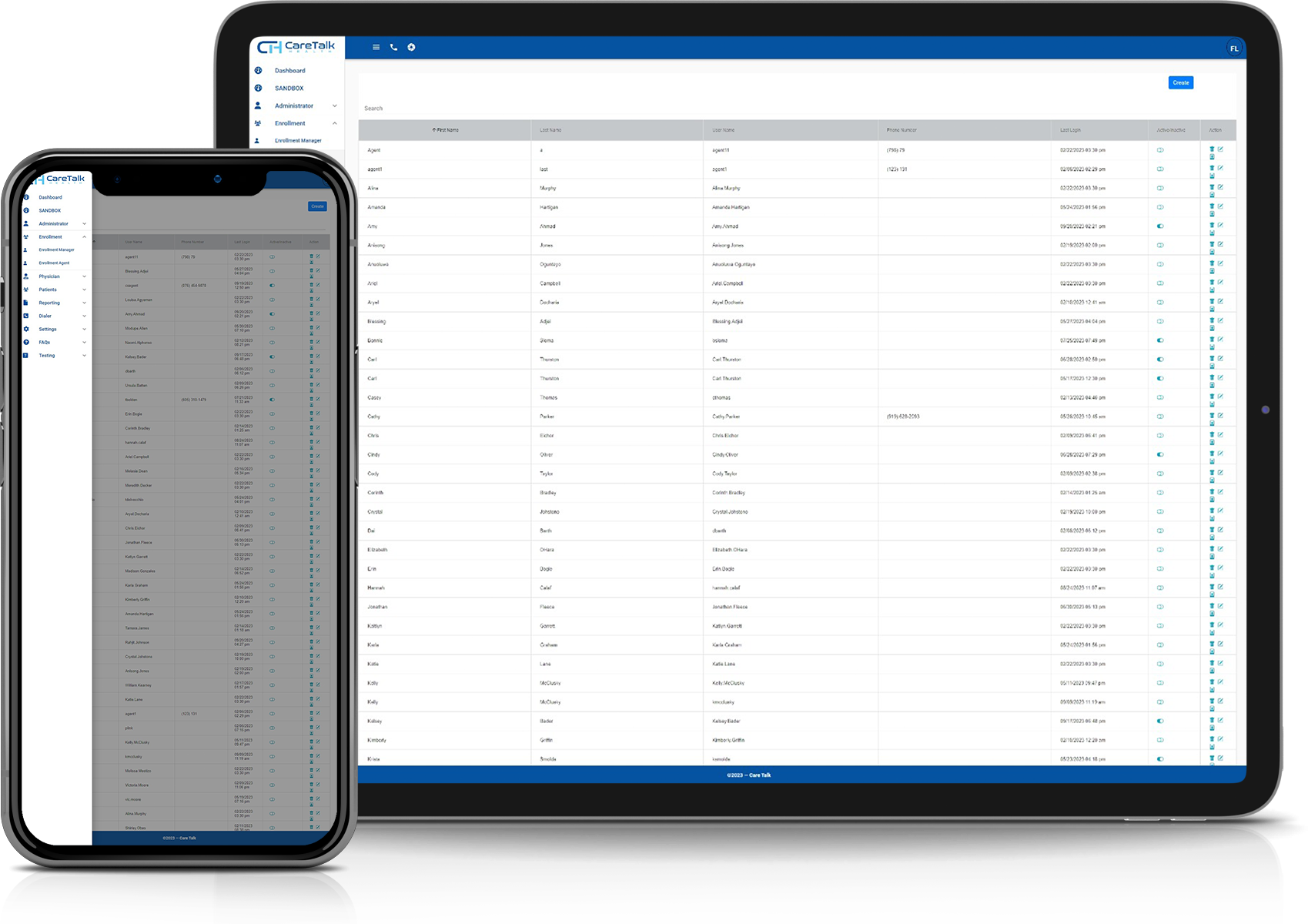
Chronic Care Management System
A single platform for Medicare chronic care management: enrolment, call scripts, care plans, scheduling, VOIP and video.
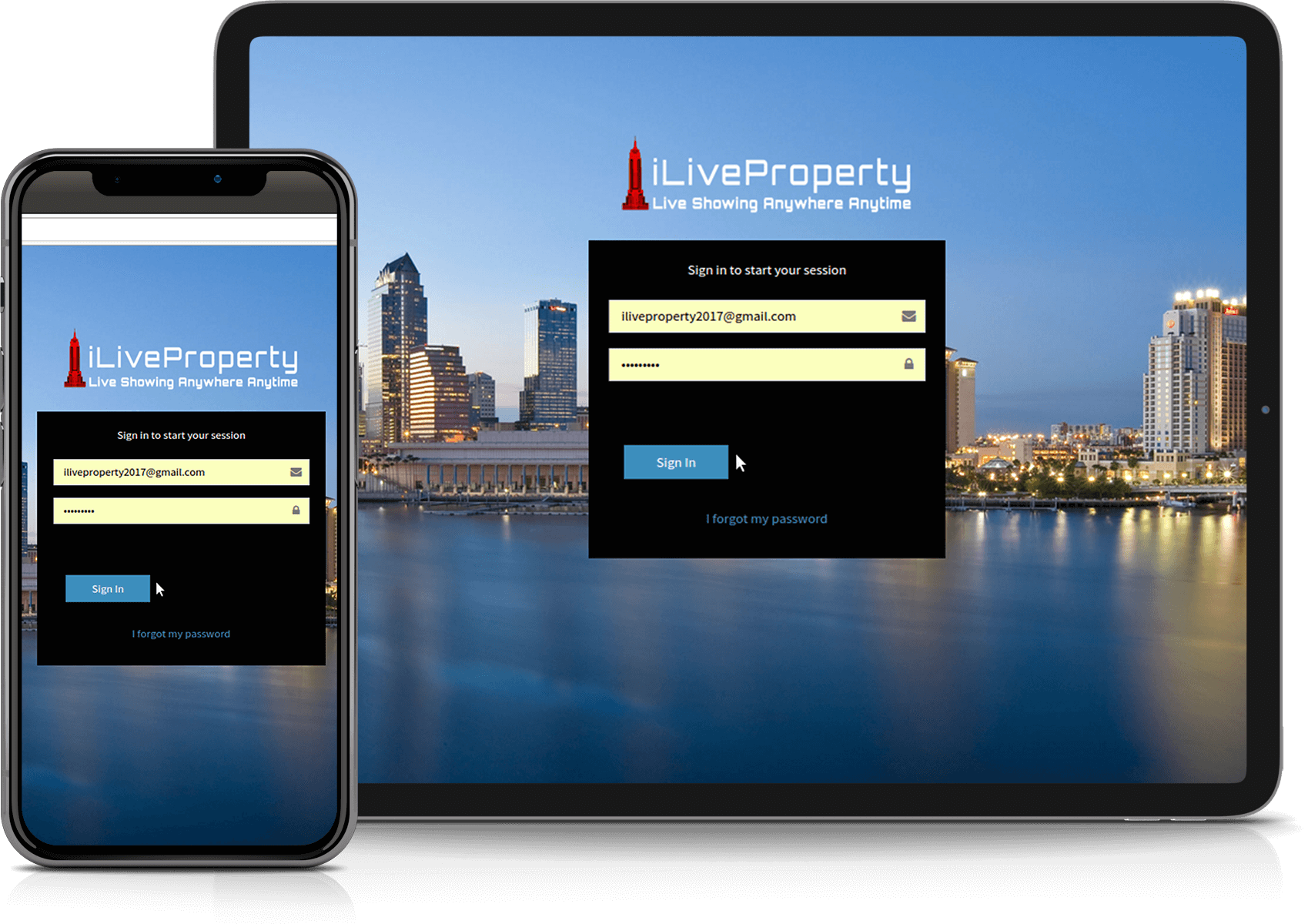
Real Estate Property Management CRM
MLS/IDX-integrated property CRM with a buyer mobile app and live one-to-one and open-house video events.
In their words
“We highly recommend Nittile's team for programming projects. They have been a reliable partner and take pride in their work. Nittile is detail oriented and effectively communicated project status on a regular basis. IRA Softwares produced great results for our company, we would happily hire them again!”Chief of Staff — OnMed
Questions
What clients ask us first.
Can you add AI to a live video or voice application?
Yes, and the first question is always placement rather than capability. Transcription can run alongside a live session. Summarisation, extraction and triage run after it. Very little belongs inside the latency-critical path, because a model call measured in seconds cannot sit inside a media pipeline measured in milliseconds. We map that during the assessment.
Do you work with connected hardware and medical devices?
We do. We built WebRTC consultations carrying live readings from connected medical devices, including the native SDK work between the device and the application. Hardware integration is mostly about failure behaviour — what the system shows when a device disconnects mid-session, and how it recovers.
Is WebRTC still the right choice for real-time video?
For browser-based peer or small-group communication, generally yes. The decisions that matter are downstream: whether you need a media server for group sessions or recording, how you handle restrictive corporate networks, and what happens on a poor connection. Those choices, not the protocol, determine whether it works for your users.
Can you build under HIPAA or similar compliance requirements?
Yes. We have shipped HIPAA-bound systems with 2,048-bit encryption, e-prescribing and real-time formulary checks. Compliance shapes the architecture from the first week rather than being added before launch. Adding AI raises the same questions again, and we answer them the same way.
Can you take over an existing real-time application?
Yes, and we start by reading it. Real-time systems carry a lot of accumulated knowledge about network edge cases in code that looks arbitrary until you know why it is there. We assess before committing to a plan, and we will tell you honestly if what you have is better rebuilt than extended.
What does live transcription cost to run?
It depends on session volume, session length and whether the model is hosted or runs on your own infrastructure. At meaningful volume transcription is one of the workloads where self-hosting an open-weight model often wins on cost — and frequently one where the audio cannot leave your network anyway. We model both during the assessment.
Get in touch
Got a system that has to work in real time?
We will tell you what can sit in that path, what belongs beside it, and what should wait until the session ends.
Prefer email? sales@irasoftwares.com